
Destination

Introduction

International business travel can create valuable opportunities. You can attend global exhibitions, meet business professionals, understand new markets, and discover new ideas.

But poor planning can turn a business trip into a stressful experience.

Many entrepreneurs focus only on flights and hotels and forget about the most important part—the business purpose of the trip.

Here are some common business travel mistakes and how to avoid them.

  1. Travelling Without a Clear Business Goal

One of the biggest mistakes is travelling without knowing what you want to achieve.

Before travelling, ask:

Why am I attending this exhibition?

Your goal could be:

  • Understanding market trends
  • Exploring a new industry
  • Meeting international businesses
  • Studying new products
  • Learning about new technology
  • Building professional connections

A clear goal helps you use your time effectively.

  1. Choosing the Wrong Exhibition

Not every exhibition is suitable for every business.

Before booking your trip, research:

  • Exhibition industry
  • Exhibitor profile
  • Exhibition size
  • Business categories
  • Location
  • Dates
  • Target audience

ADSONZ GO’s strategy specifically emphasizes helping audiences understand which exhibitions are relevant to their industry, because many business owners are unsure which exhibition they should attend.

  1. Not Planning the Exhibition Schedule

Large international exhibitions can be difficult to cover in one day.

Without a schedule, you may spend too much time in one area and miss important sections.

Before arriving, identify:

  • Priority halls
  • Important exhibitors
  • Key events
  • Meeting times
  • Break times
  • Transportation arrangements
  1. Ignoring Local Transportation

Getting around an unfamiliar city can be challenging.

Plan your transportation before travelling.

Understand how you will travel between:

  • Airport
  • Hotel
  • Exhibition venue
  • Business meetings
  • Other planned locations

A managed business tour can reduce some of the stress involved in local coordination.

  1. Not Preparing for Language Differences

Language can become a challenge when attending international exhibitions.

Prepare important business questions in advance.

If necessary, arrange professional translation or interpreter support.

ADSONZ GO’s managed exhibition-tour positioning includes translator support for participants who need help communicating during their business trip.

  1. Carrying Too Much

Business travellers often pack more than they actually need.

For an exhibition trip, focus on essentials:

  • Passport
  • Visa documents
  • Business cards
  • Phone
  • Charger
  • Power bank
  • Laptop/tablet if required
  • Comfortable shoes
  • Business clothing
  • Travel documents
  • Medicines and personal essentials

Comfort matters because exhibitions often involve long hours of walking.

  1. Not Preparing Business Questions

Walking into an exhibition without questions can reduce the value of your visit.

Prepare questions related to:

  • Product features
  • Market trends
  • Business opportunities
  • Industry developments
  • Company background
  • Product availability
  • Business cooperation

Good questions can lead to better conversations.

  1. Spending All Your Time Looking at Products

An international exhibition is not only about products.

It is also about people, ideas, trends, and business connections.

Spend time talking to professionals and understanding what is happening in your industry.

  1. Forgetting to Follow Up

This is one of the biggest mistakes.

You may meet many interesting people during an exhibition, but if you never contact them again, the connection may disappear.

After returning home:

  • Organize contacts
  • Send follow-up messages
  • Share your business details
  • Continue conversations
  • Schedule online meetings
  • Review potential opportunities

The real value of an exhibition often begins after the exhibition ends.

  1. Trying to Manage Everything Alone

For first-time international business travellers, managing flights, hotels, exhibition entry, local transportation, translation, and schedules can become difficult.

A professionally managed group business tour can make the process easier, particularly for entrepreneurs unfamiliar with the destination.

ADSONZ GO is positioned around a managed exhibition experience where participants can focus on attending the exhibition rather than handling every travel detail themselves.

Business Travel Checklist
Before leaving, make sure you have:

☑ Passport and visa
☑ Flight confirmation
☑ Hotel confirmation
☑ Exhibition registration
☑ Business cards
☑ Exhibition schedule
☑ Meeting schedule
☑ Phone and charger
☑ Comfortable footwear
☑ Business documents
☑ Emergency contacts
☑ Clear business objectives

Final Thoughts

A successful international business trip is not about travelling to another country.

It is about using that travel to create business value.

Choose the right exhibition, prepare properly, understand the market, meet the right people, and make the most of your time at the exhibition.

With the right planning and professional coordination, international business travel can become a powerful learning and growth opportunity.

ADSONZ GO — Attend the exhibition. Understand the market. Grow your business.

What Are the Key Business Travel Mistakes to Avoid?

AreaCommon Issue
PlanningPoor scheduling and last-minute arrangements
DocumentsForgetting passports, visas, or important paperwork
PackingCarrying unnecessary items or missing essentials
BudgetNot planning travel expenses properly
CommunicationFailing to confirm meetings and schedules
Time ManagementUnderestimating travel and meeting times

How Can Adsonz Go Help With Business Travel Planning?

Adsonz Go can assist travelers with business trip planning, including travel arrangements, visa guidance, documentation, and itinerary support. Their assistance can help make business travel more organized and convenient.

What Should I Do If I Lose an Important Travel Document?

Contact the relevant authority or airline immediately and use backup digital copies if available. Keeping copies of important documents can make the process easier.

How Early Should I Plan a Business Trip?

Ideally, start planning several weeks before departure. This gives you enough time to arrange flights, accommodation, visas, meetings, and other travel requirements.

Should I Keep Business and Personal Expenses Separate?

Yes. Keeping separate records makes expense tracking, reimbursement, and financial reporting much easier.

What to Do When You Book the Wrong Flight for Work?

Contact the airline or booking provider as soon as possible to check whether the flight can be changed or cancelled. Review the fare conditions, compare change fees with the cost of a new ticket, and inform your employer or travel coordinator promptly.

How to Handle Personal Expenses During Work Travel?

Keep personal and business expenses separate, set a daily budget, track your spending, and save receipts for business-related purchases. Using a separate payment method for personal expenses can also make expense reporting easier.

How to Survive Long Business Trip Days?

To survive long business trip days, plan your schedule carefully, get enough sleep, stay hydrated, eat balanced meals, take short breaks, and avoid overbooking your day. Keeping your essentials organized can also reduce stress and help you stay productive.

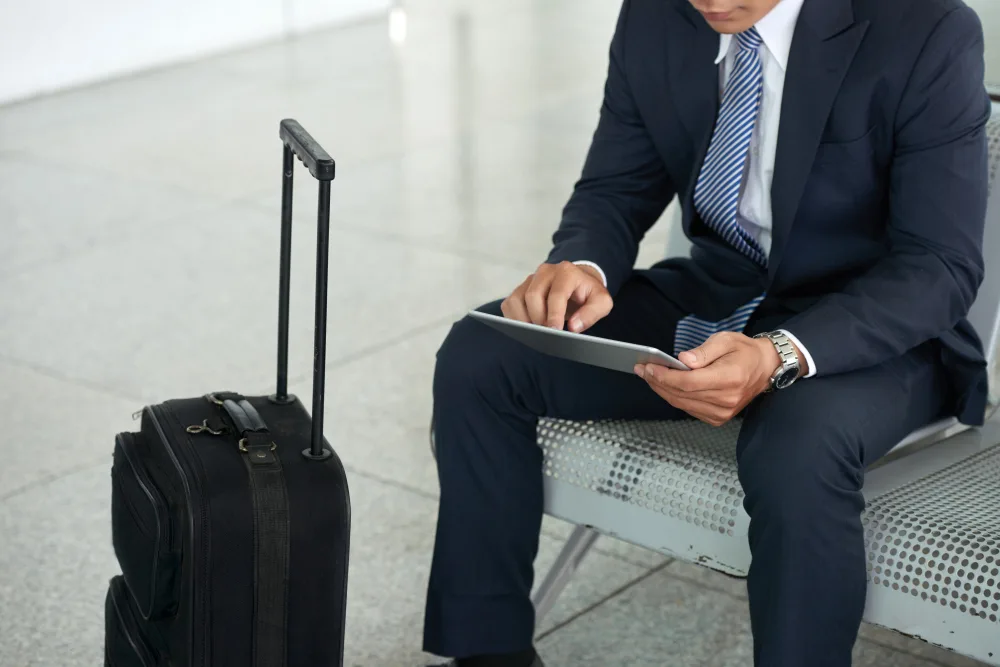
Business Travel Mistakes can affect productivity, increase travel costs, and create unnecessary stress during an important professional trip. Common business travel mistakes include poor planning, forgetting essential documents, choosing inconvenient accommodation, and not confirming meetings in advance. Following practical Business travel advice can help professionals stay organized, while understanding Business trip mistakes can make future journeys more efficient.To reduce Business Travel Mistakes, professionals should prepare their itinerary, documents, bookings, and meeting schedules before departure. Common business travel mistakes often happen when travelers wait until the last minute to arrange transportation, check visa requirements, or prepare presentations. Good Business travel advice includes allowing extra travel time, keeping important documents accessible, and confirming appointments. Avoiding Business trip mistakes can help travelers remain focused on their professional goals.Learning from previous Business Travel Mistakes can improve future business trips. Reviewing Common business travel mistakes helps travelers identify problems related to budgeting, packing, communication, time management, and technology. Useful Business travel advice can make international travel more comfortable and productive, while avoiding repeated Business trip mistakes allows professionals to focus on meetings, networking, clients, and new business opportunities.Business Travel Mistakes can make a professional trip stressful, expensive, and less productive. Common business travel mistakes include poor planning, forgetting important documents, booking inconvenient accommodation, and leaving meetings until the last minute. Following practical Business travel advice can help professionals prepare properly, while understanding common Business trip mistakes makes it easier to avoid unnecessary problems.One of the best ways to prevent Business Travel Mistakes is to organize everything before departure. Common business travel mistakes often happen when travelers fail to check visa requirements, confirm hotel bookings, prepare meeting materials, or allow enough time between appointments. Good Business travel advice includes creating a realistic itinerary, keeping documents accessible, and confirming important arrangements. Avoiding Business trip mistakes can help travelers remain focused on their professional responsibilities.Learning from previous Business Travel Mistakes can make future trips easier and more productive. Reviewing Common business travel mistakes helps identify areas that need improvement, such as budgeting, packing, time management, communication, and travel preparation. Reliable Business travel advice can help professionals handle international trips with greater confidence, while avoiding repeated Business trip mistakes allows them to focus on meetings, networking, and business opportunities.Business Travel Mistakes can make an otherwise productive trip stressful and expensive. Common business travel mistakes often include poor planning, forgetting important documents, booking unsuitable accommodation, and failing to allow enough time between meetings. Following practical Business travel advice can help professionals stay organized, while understanding Business trip mistakes in advance makes it easier to avoid unnecessary problems.One of the most effective ways to reduce Business Travel Mistakes is to prepare everything before departure. Common business travel mistakes can happen when travelers leave visa checks, hotel bookings, transportation, or meeting schedules until the last minute. Good Business travel advice includes keeping important documents accessible, confirming appointments, and preparing a realistic itinerary. Avoiding common Business trip mistakes can also help travelers remain focused on their professional goals.Learning from Business Travel Mistakes can make future trips much smoother. Reviewing Common business travel mistakes helps travelers identify areas that need better preparation, such as budgeting, packing, communication, and time management. Reliable Business travel advice can make international trips more organized and comfortable, while avoiding repeated Business trip mistakes allows professionals to focus more effectively on meetings, networking, and business opportunities.Here are some top business travel blunders and tips on how to avoid them Whether business travel sounds exciting or not, it’s never as simple and straightforward as it may seem. Many business people who travel benefit from meetings with clients and partners; they attend important conferences or conferences; and they explore foreign markets to establish beneficial long-lasting business relationships. Unfortunately, some business people fail to adequately prepare for a trip, and a successful visit turned to be a stressful experience. From making the wrong reservation up to being a bit late for a meeting – simple mistakes can ruin your productivity and jeopardize your image. Being aware of some of the major blunders of those who travel on business can help you make better arrangements. Poor Travel Planning Many business travelers leave the entire trip preparation to the last minute. When traveling for work, you will often have limited time to make the most of the opportunities and to stick to the set of deadlines. To prevent a bad planning disaster: Set the exact flight hours: Determine preferred departures and arrive times. Confirm the hotel’s booking: Look for a convenient and professional location. Share meeting times with a planner: Make sure not to miss a single appointment. Plan transportation from and to the airport. Note down phone numbers of important people. Plan free time. Creating a realist plan can give you ample time to deal with unpredictable situations and to focus on business. Forgetting an Important Document: Traveling Documents Your travel papers will probably not be requested more than several times during your journey, but without a passport or without a meeting invitation, your business trip might be instantly concluded. Before the departure, don’t forget to pack: Passport Visa and any necessary document for your entrance into the country. Flight confirmation email; Hotel confirmation; The invitation letter. Travel insurance details. Business appointment copies. All your personal documents copies as well. Save all those in a cloud in case your papers get lost. Not checking the visa required before your travel Although it seems silly, some business trips can lead to great complications related to the proper visa which should be obtained before arriving in a country, with much planning. Be sure that you know what kind of visa you can get or that you do not need a visa at all to enter and perform business activities. Each trip can involve a different set of rules related to the type of activities that are permitted on the basis of the specific kind of visa like tourist authorization, business visa or even the work permit. Booking Wrong Hotel at the inappropriate place The place you stay during your trip can make or break your productive travel. Staying somewhere just because you’re on a budget can result in you getting stuck miles from any business districts or spending a long time to get to the most crucial meetings. What you should consider while booking a hotel accommodation includes: Its proximity to all meetings; The airport accessibility; How to get to its facilities from nearby areas. Free Wi-Fi; Place to work. Whether the hotel can provide breakfast and business lunch options. Check the cancellation terms as well. A close and comfortable hotel will save you valuable hours in a trip with limited time. Overpacking You may not want to pack extra clothing due to fear that you’ll encounter unexpected events, but it will only weigh you down. Lugging heavy luggage while you’re out to visit sites or get in local transport can cause you to lose precious time. Focus on these items for your trip: Business clothes. Business Travel Planning Tips for a Smooth TripBusiness trips require careful preparation because professional schedules are often packed with meetings, presentations, networking events, and client appointments. A little planning before departure can make the entire journey more comfortable and productive.Start by organizing all important travel documents. Keep your passport, visa, flight details, hotel confirmation, travel insurance, and meeting information together. It is also useful to store digital copies securely so they can be accessed if physical documents are misplaced.Prepare Your ScheduleCreate a realistic itinerary that includes enough time between meetings. Consider traffic, airport procedures, transportation delays, and unexpected changes. Avoid scheduling appointments too close together, especially when traveling to unfamiliar locations.Pack SmartBusiness travelers should focus on essential items rather than carrying excessive luggage. Pack suitable professional clothing, comfortable shoes, electronic devices, chargers, adapters, and any materials required for presentations or meetings.Research Your DestinationUnderstanding the local culture can help you communicate more effectively. Research appropriate business etiquette, dress expectations, greetings, dining customs, and communication styles before arriving.Protect Your WorkKeep company information and devices secure throughout the trip. Use strong passwords, avoid accessing sensitive information through unsecured networks, and keep laptops and phones protected when traveling.Plan for Unexpected ChangesFlights can be delayed, meetings can move, and luggage can occasionally be misplaced. Keep emergency contact details available and have backup copies of important documents and presentations.Follow Up After MeetingsYour professional responsibilities continue after returning home. Send follow-up messages, share promised information, organize contacts, and confirm the next steps discussed during meetings.With thoughtful preparation, professionals can reduce stress, stay focused, and make better use of their time. A well-organized business journey can also create valuable opportunities for networking, partnerships, client relationships, and long-term professional growth.Comfortable shoes; Laptop. Charger; Travel adapter; The most important docs. Personal and travel hygiene products; Medications. Pack versatile clothes so they’ll make sense with just one click and don’t include more items than you ‘ll use more than two times. Not Prepared of the local Culture As if this wasn’t enough, each person from a distinct country has his/her customs and manners, so there exist certain behaviors that might be considered inappropriate in one country and perfectly okay in another one. Keep these cultural aspects in mind:Greetings and handshake culture; Style of communication; Meeting etiquette; What is appropriate dress code for business meetings; Dining etiquette; Card presentation methods. Showing a basic understanding of these elements would help you be respected for having tried to bridge Cultural gaps. Poor time management on your business trip, You must try and allocate some time between your various appointments. If you’ll attempt to attend them at once, you’ll just feel overwhelmed. Plan time between them: to prepare some of them; have a break or even have lunch. Allow some wiggle room for unexpected events like traffic jams or delays when you have to find new ways to reach some location. Better be on time and even have few more minutes than being late for an important meeting. Ignore Jet Lag! Long travels from one country to another affect your biological clock greatly and thus, it influences your decision-making, energy levels and concentration span. Scheduling important meetings or calls for immediately after arriving at destination can impact performance significantly. Ways to avoid and minimise impacts include: Hydrating, especially by drinking lots of water. Adjusting to the new time slowly. Avoiding caffeinated beverages and too much alcohol. Get sufficient rest. Spend some time outdoor during daytime. Scheduling important interactions at later part of day. Forgetting essential technology gadgets! No need to state it but you’ll find everything complicated if you forget your gadgets, especially the power charger! Laptops are essential in many cases – for writing, presentations and even for just finding your hotel. Make sure you have all possible charging cables, travel adaptors; your laptop; and your mobile phone. Have an essential presentation ready and easily accessible, possibly saved not on a single drive but also on a backup external one, a USB drive for example or cloud storage. Assuming availability of Wi-Fi service! Many travelers, especially those accustomed to a high-speed Wi-Fi at all locations, may assume that the service is available and reliable everywhere they go. Don’t be surprised if a hotel has a weak or slow internet connection, a meeting venue has no Wi-Fi, or you cannot find a suitable spot to access an internet service in an unknown country. Save all important information, documents and presentations for offline use whenever it’s possible. Not keeping a travel expense record Traveling expenses can add up really quickly. Whether it is a hotel expense, restaurant bills, parking fees or a local transportation. Failing to log your expenses and save the receipts can make accounting or expense report claims after your travel really problematic. So, make sure to jot down all the expenses to make your reimbursement process seamless. Not choosing the best flight possible For the purpose of saving a buck, you chose a cheap airline and end up with a total mess. You wasted an additional hour to get the best possible option. Even the cheapest available options have their hidden cost. Considering some additional elements while booking your flight can help: Flight hours, number of connections, transfer duration and the location of arrival airport. Not Confirming meetings in advance It is a natural habit to organize appointments prior to departure; however, you just cannot afford to lose a day because of a misunderstood arrangement. Call your contacts and reconfirm meeting details – address, time, participants. It sounds like an obvious thing to do, but it never fails to surprise how many travelers ignore it and make last-minute mistakes of a very simple and avoidable nature. Ignoring local transportation planning How do you get from the airport to the hotel and from meeting point to meeting point without wasting half a day trying to get familiar with the transportation system. The information for this is easily obtainable in guide books, and official websites. It is advisable to know ahead of time how local buses, trams, and trains go, which ones are the quickest, what is their cost, and so on. Forgetting to take care of business information The business traveler is likely to carry confidential, valuable, and informative, equipment and data, so these types of travelers should always endeavor to use precautions against potential security risks as far as information technology is concerned. Use passwords, avoid publicly unsecured connections and also have proper devices to carry all these materials as to not risk losing any of them. Lack of an Emergency Plan You can’t be prepared for everything and some things will go wrong at the most unexpected times. Your luggage could be lost, you could miss a connecting flight, your hotel could be overbooked and in case of a medical situation; you would want access to emergency numbers, the address of the local embassy, and contact information for family back home, immediately, and readily available. Mixing business with pleasure too much People travel for a variety of reasons, and a trip solely for business is not always the ideal scenario for some travelers. Sometimes, combining vacation with business can be highly enjoyable and even more productive. Just be careful not to over-schedule yourself in a way that detracts from work responsibilities.

Leave a Reply

Your email address will not be published. Required fields are marked *

Comments

  1. Adsonz Go made my business trip planning much easier. Their team was professional, responsive, and helpful throughout the process. From travel arrangements to documentation guidance, everything was handled smoothly. I would definitely recommend Adsonz Go for reliable business travel assistance.