Destination

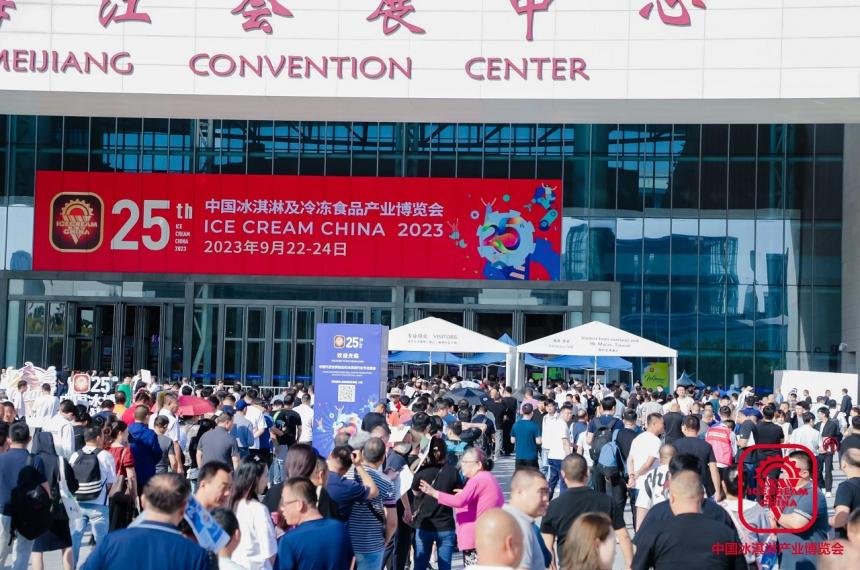
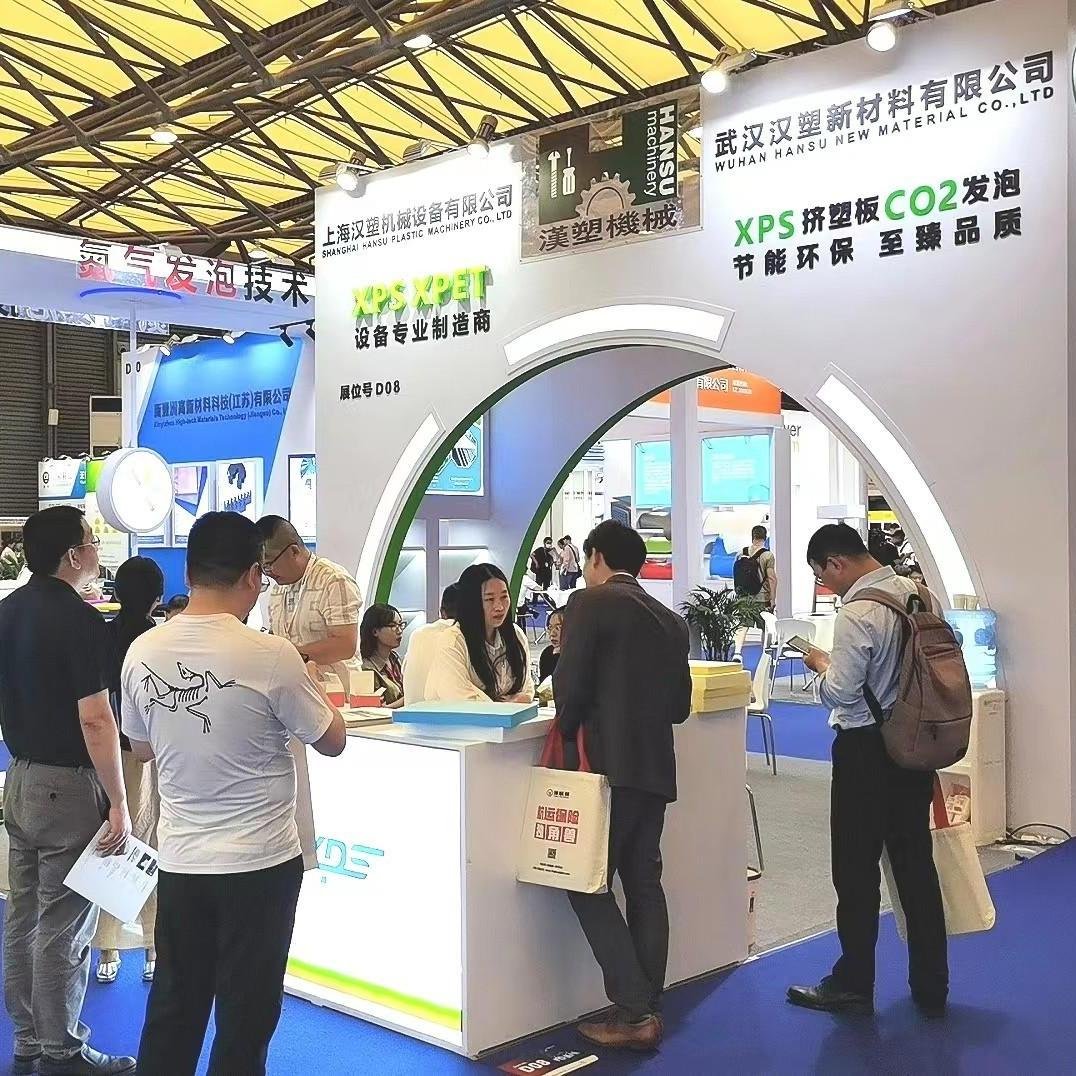
TIM Expo 2026 thermal insulation expo

China is one of the world’s largest manufacturing hubs, offering businesses access to a wide range of products at competitive prices. From electronics and machinery to clothing and home décor, millions of products are sourced from China every year.

For many entrepreneurs and small businesses, importing from China can be a great way to increase profits and expand their product range. However, if you’re new to importing, the process can seem confusing.

At ADSONZ Store, we help businesses source quality products from trusted manufacturers and simplify the entire import process.

Why Import Products from China?

China has become a preferred sourcing destination because of its:

  • Competitive pricing
  • Large manufacturing network
  • Wide product selection
  • Advanced production facilities
  • OEM & ODM manufacturing options
  • Bulk production capability

Whether you’re a retailer, wholesaler, or startup, China offers opportunities for businesses of all sizes.

Step 1: Decide What You Want to Import

Before contacting suppliers, clearly define your product.

Consider:

  • Product specifications
  • Quality requirements
  • Target customers
  • Expected selling price
  • Import regulations

Having clear requirements helps suppliers provide accurate quotations.

Step 2: Find Reliable Suppliers

Choosing the right supplier is one of the most important steps.

Look for suppliers with:

  • Good business reputation
  • Manufacturing experience
  • Positive customer reviews
  • Product certifications
  • Strong communication

Never choose a supplier based only on the lowest price.

Step 3: Request Product Samples

Always ask for samples before placing a bulk order.

Check the sample for:

  • Product quality
  • Material
  • Finish
  • Size
  • Packaging
  • Functionality

Testing samples helps you avoid expensive mistakes later.

Step 4: Compare Prices

Request quotations from multiple suppliers.

Compare:

  • Product price
  • Minimum Order Quantity (MOQ)
  • Shipping costs
  • Payment terms
  • Production time

The cheapest supplier isn’t always the best choice. Focus on value and reliability.

Step 5: Verify the Supplier

Before making payment, verify the supplier.

You can:

  • Check business licenses
  • Review certifications
  • Request company information
  • Arrange a factory visit
  • Conduct supplier verification

This reduces the risk of fraud and poor-quality products.

Step 6: Confirm Product Specifications

Clearly document:

  • Product dimensions
  • Material
  • Color
  • Packaging
  • Branding requirements
  • Labeling
  • Quantity

Written specifications reduce misunderstandings.

Step 7: Understand Shipping Options

There are two common shipping methods.

Sea Freight

Best for:

  • Bulk orders
  • Lower shipping costs
  • Large shipments
Air Freight

Best for:

  • Small orders
  • Urgent deliveries
  • High-value products

Choose the option that matches your budget and delivery timeline.

Step 8: Calculate Total Import Costs

Don’t consider only the product price.

Your total cost may include:

  • Product Cost
  • Shipping Charges
  • Customs Duty
  • GST or VAT
  • Insurance
  • Customs Clearance Fees
  • Local Transportation

Knowing the total landed cost helps you calculate your profit margin accurately.

Step 9: Arrange Quality Inspection

Before shipment, inspect the products.

Quality inspection helps verify:

  • Product quality
  • Quantity
  • Packaging
  • Labeling
  • Product specifications

This step helps prevent costly returns and customer complaints.

Step 10: Complete Import Documentation

Prepare all required documents, including:

  • Commercial Invoice
  • Packing List
  • Bill of Lading or Air Waybill
  • Import Export Code (IEC)
  • Bill of Entry
  • Certificate of Origin (if required)
  • Insurance Documents

Keeping your paperwork ready ensures faster customs clearance.

Common Mistakes to Avoid

Many first-time importers make avoidable mistakes.

Try to avoid:

  • Choosing suppliers based only on price
  • Skipping product samples
  • Ignoring quality inspections
  • Not calculating total import costs
  • Poor communication with suppliers
  • Missing import documents

Careful planning helps reduce risks.

How ADSONZ Store Helps Importers

Importing products from China doesn’t have to be complicated.

At ADSONZ Store, we support businesses at every stage of the sourcing journey.

Our services include:

  • Product Sourcing
  • Supplier Identification
  • Supplier Verification
  • OEM & ODM Manufacturing Support
  • Quality Inspection Coordination
  • Bulk Procurement
  • Import Assistance
  • Export Support
  • International Trade Guidance
  • Global Supplier Network

Whether you’re importing electronics, machinery, furniture, textiles, consumer goods, or industrial products, we help you source quality products from reliable manufacturers.

Why Choose ADSONZ Store?

We understand that successful importing requires more than finding a supplier.

It requires trusted partnerships, proper planning, and expert guidance.

With ADSONZ Store, you get:

  • Reliable Supplier Network
  • Professional Product Sourcing
  • Quality-Focused Procurement
  • Cost-Effective Solutions
  • Import & Export Support
  • End-to-End Business Assistance

Our goal is to make international sourcing simple, secure, and profitable.

Final Thoughts

Importing products from China can open new opportunities for your business, but success depends on choosing the right suppliers, understanding costs, and following the correct import process.

Start with proper research, verify your suppliers, inspect product quality, and work with experienced sourcing professionals.

With the right approach, importing can become a powerful way to grow your business and increase your profits.

ADSONZ Store

Your Trusted Global Product Sourcing Partner

Source Smarter. Import Better. Grow Faster.

From supplier verification and product sourcing to quality inspections and import support, ADSONZ Store helps businesses build reliable global supply chains with confidence.

#ADSONZStore #ChinaSourcing #ImportBusiness #ProductSourcing #ImportExport #GlobalTrade #SupplierVerification #OEM #ODM #BusinessGrowth #InternationalBusiness #Procurement #SME #GlobalSourcing #BusinessSolutions


What Can You Gain from International Trade Exhibitions?

AspectDetails
Who Should Attend?Manufacturers, importers, exporters, entrepreneurs, and business professionals
Key ActivitiesProduct showcases, supplier meetings, networking, and industry seminars
Main BenefitsFind new markets, build partnerships, and discover business opportunities
Expected OutcomeStronger global connections and sustainable business growth

Why Choose Adsonz Go for International Trade Exhibitions?

Adsonz Go provides complete support for International Trade Exhibitions, including travel planning, visa assistance, exhibition registration, and business tour coordination for a seamless experience.

Is a Trade Show Worth the Investment for Your Small Business?

Yes. Trade shows can be a worthwhile investment for small businesses by helping you meet potential customers, connect with suppliers, increase brand visibility, and generate valuable business opportunities.

How to Choose the Right Trade Show for Your Business?

Choose a trade show that matches your industry, target audience, and business goals. Consider the event's reputation, exhibitor list, visitor profile, location, and potential networking opportunities before registering.

Are Virtual Trade Shows Worth Attending?

Yes. Virtual trade shows are a cost-effective way to connect with exhibitors, attend presentations, explore products, and network with industry professionals without the need for travel.

What's the Best Time of Year to Exhibit at a Trade Show?

The best time depends on your industry, but exhibiting during major industry events or peak buying seasons usually provides the greatest exposure, higher visitor attendance, and better business opportunitie

How Can You Prepare for an International Trade Exhibition?

Prepare by setting clear business goals, scheduling meetings in advance, carrying marketing materials, and researching exhibitors and attendees.

What Should You Bring to an International Trade Exhibition?

Bring business cards, brochures, product catalogs, a notebook, identification documents, and any materials needed for product presentations or meetings.
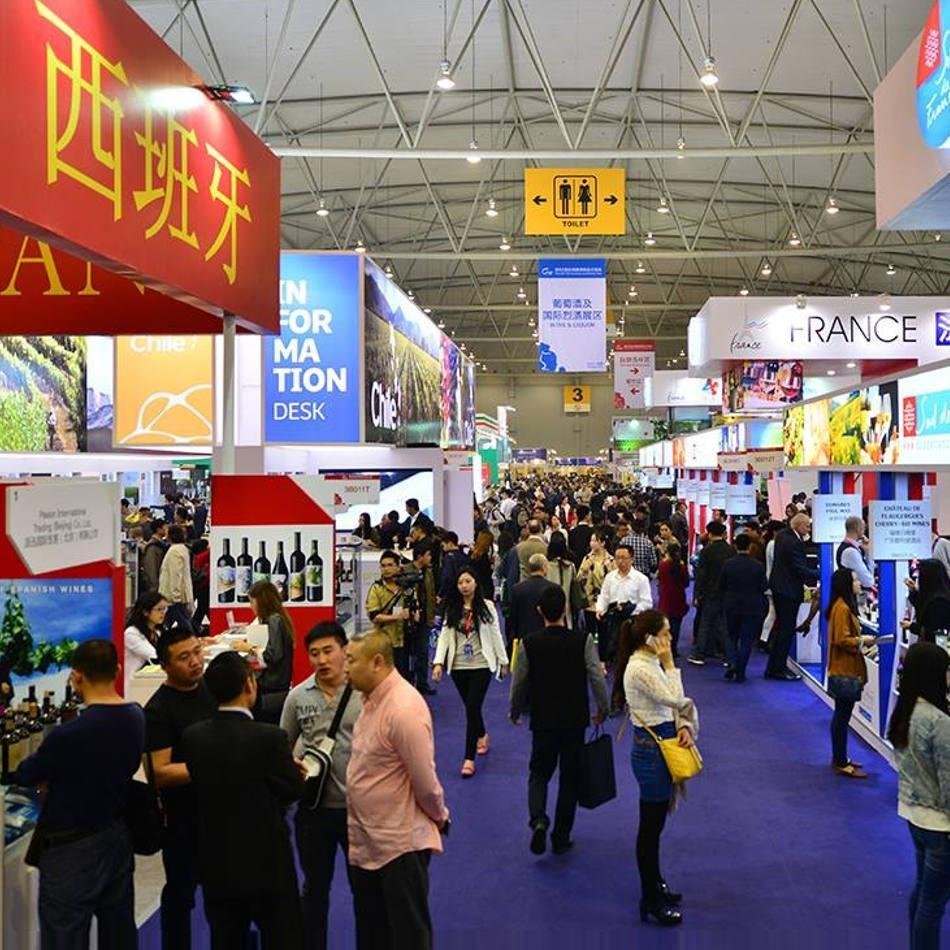
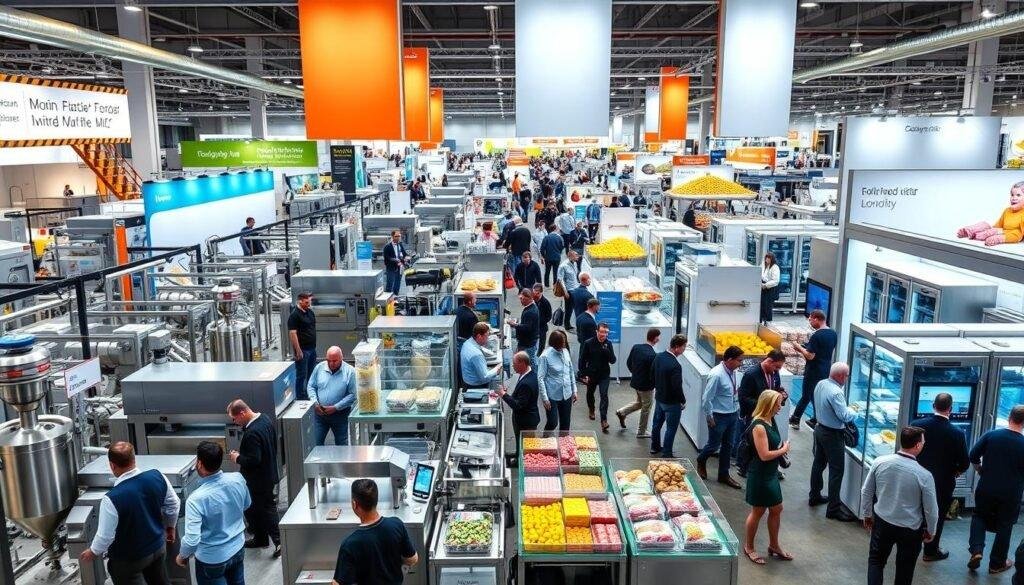
Participating in International Trade Exhibitions allows businesses to explore new markets, connect with decision-makers, and discover innovative products from around the world. Global Trade Exhibitions create opportunities to build relationships with manufacturers, suppliers, and distributors while gaining valuable industry insights. Businesses attending International Trade Fair Events can compare products, negotiate directly with exhibitors, and identify reliable business partners for long-term collaboration. International Trade Shows also provide an ideal platform for launching new products, increasing brand visibility, and understanding market trends. Through Global Business Expos, companies can expand their professional network, strengthen international partnerships, and uncover new investment opportunities. Additionally, International Exhibition Events help businesses stay updated on technological advancements, industry developments, and changing customer demands.Companies that regularly participate in International Trade Exhibitions often gain a competitive advantage by meeting potential clients and exploring emerging business sectors. Global Trade Exhibitions encourage knowledge sharing and create valuable opportunities to exchange ideas with industry experts. During International Trade Fair Events, businesses can evaluate product quality, discuss customized solutions, and establish direct communication with global suppliers. Many organizations use International Trade Shows to generate qualified leads, strengthen customer relationships, and showcase their latest innovations. At the same time, Global Business Expos serve as excellent platforms for business collaboration, while International Exhibition Events provide access to seminars, networking sessions, and educational programs that support professional growth.For organizations seeking international expansion, International Trade Exhibitions remain one of the most effective marketing and networking platforms available. Global Trade Exhibitions help businesses identify new distributors, understand international market demands, and increase export opportunities. By attending International Trade Fair Events, companies can build trust with global partners, negotiate business agreements, and explore future collaborations. International Trade Shows continue to connect businesses with buyers from diverse industries, making them valuable for long-term growth. Likewise, Global Business Expos encourage innovation and strategic partnerships, while International Exhibition Events provide a strong foundation for sustainable business development in the global marketplace.International Trade Exhibitions are essential for businesses looking to expand into global markets, connect with industry leaders, and discover new commercial opportunities. Global Trade Exhibitions bring together manufacturers, suppliers, buyers, and investors from different countries, creating an ideal environment for business collaboration. By participating in International Trade Fair Events, companies can showcase their products, identify reliable partners, and stay informed about the latest market trends. International Trade Shows provide valuable opportunities for product demonstrations, networking, and direct customer engagement, while Global Business Expos help organizations strengthen their international presence and build long-term partnerships. Attending International Exhibition Events also allows businesses to explore innovative technologies, understand industry developments, and gain a competitive advantage.Businesses that regularly participate in International Trade Exhibitions often improve brand visibility and establish stronger relationships with customers and suppliers worldwide. Global Trade Exhibitions offer a platform to compare products, evaluate competitors, and identify emerging market opportunities. Through International Trade Fair Events, companies can generate qualified business leads, negotiate partnerships, and expand their distribution networks. Many organizations use International Trade Shows to launch new products and demonstrate their capabilities to a global audience. Likewise, Global Business Expos encourage collaboration between businesses from different industries, while International Exhibition Events provide access to educational seminars, expert discussions, and valuable networking sessions.Successful companies understand that International Trade Exhibitions are more than promotional events—they are strategic investments in long-term growth. Participating in Global Trade Exhibitions helps businesses discover new markets, strengthen supplier relationships, and increase international sales. Attending International Trade Fair Events enables professionals to exchange ideas, learn from industry experts, and explore future business opportunities. International Trade Shows continue to play a vital role in connecting businesses with potential buyers and distributors across the world. At the same time, Global Business Expos support innovation and international collaboration, while International Exhibition Events create lasting business connections that contribute to sustainable global success.The value of international trade exhibitions for business growthInternational trade exhibitions have emerged as essential hubs for businesses aimed at diversifying new markets, solidifying collaborations and improving market competitiveness in an increasingly interconnected global landscape. As events that bring together businesses of varied sectors and nations, exhibitions create an environment conducive to innovation, cooperation and commercial endeavors. Businesses, from those launching new products, to businesses searching for viable suppliers and exploring international sales prospects, attend these exhibitions for distinct advantages not easily replicable through electronic communication alone.Face-to-face interaction forms one of the strongest reasons why businesses participate in international trade exhibitions, providing a more productive space to forge enduring professional relationships due to the direct exchange of information and building of trust and confidence between business partners. Although email and virtual meetings serve as efficient communication tools, personal exchange often generates long-lasting business ties, due to the immediacy of clarification, ease of discussion and reinforced trust.The opportunity to present a wide array of products and services is another primary benefit for exhibition attendees, wherein features can be explained, technical specifications clarified and questions answered immediately, with hands-on demonstrations also fostering improved customer understand of product performance and capabilities compared to static descriptions and brochures.New market entry is significantly facilitated by the attendance of businesses in international exhibitions and provides new opportunities for exploring potential sales channels and customer bases through connections with international wholesalers, importers and retailers. New and exciting sales agreements are often initiated during exhibitions, making this a key driver for participation.Supplier discovery benefits significantly as companies have a chance to interact face-to-face with a variety of potential manufacturers simultaneously, evaluate product quality firsthand, inspect samples and discuss manufacturing practices while assessing production capabilities; a process that reduces supplier risk and ensures quality assurance.Market intelligence gathering has become vital for keeping a business competitive, and the interaction during exhibitions provides opportunities to track competitor innovations and trends, pricing structures, and identify newly emerging technologies while gathering a clearer understanding of buyer preferences; aiding businesses in developing better products and more efficient marketing strategies.Networking, arguably a strong motive for attendance, opens avenues for interaction with investors, consultants, logistics providers, government officials, and fellow entrepreneurs, thereby providing diverse perspectives, strengthening professional relationships and potentially yielding partnerships for the growth of business operations, even with casual encounters sparking business opportunities.Educational programs accompanying exhibitions also enhance their value for businesses, with opportunities for participants to enhance their understanding of the global market via workshops and conferences led by industry experts on various pertinent subject matters like the digital landscape, trends and changes, marketing and innovation.Effective preparation in terms of establishing business objectives, like finding suppliers, distributors, identifying competitors, marketing new products or generating leads; as well as identifying exhibitors prior to arrival and setting scheduled meetings before departure significantly reduces time wasted on-site.A professional presentation, via high-quality promotional literature, appropriate attire and thorough knowledge of product offerings for the representatives on duty; coupled with strong communication skills, including actively listening and respecting diverse cultural sensitivities, go a long way in making an exhibit stand out and generate trust.Careful time management within the complex setting of international exhibitions helps delegates balance the myriad of sessions offered, be it meetings with potential collaborators, participation in seminars or exploration of exhibits, as well as allowing space for unplanned, yet potentially vital business discussions and opportunity discovery.Technological integration in contemporary exhibitions is helping improve the experience by utilizing mobile apps for venue and visitor access, simplifying information sharing and expediting post-show follow-up via digital business cards and the cloud for document exchange and collaboration.A solid financial plan for international trade exhibitions, taking into consideration costs like exhibition space rental, travel, and logistics, as well as creating room for unforeseen expenditures, allows businesses to maximize returns while staying within budget constraints.Post-exhibition follow-up is critical and includes efficient organization of gathered contacts and notes, personalized thank-you correspondence and establishment of follow-up discussions and quote requests, thereby capitalizing on the newly established business leads and reinforcing the productive relationship initiated at the exhibit.The review of exhibited performance upon return home, by assessing sales leads, business partnership possibilities and the overall value of the experience against set business objectives, provides useful data for refinement of future participation in similar events, ensuring continuous improvement in strategic exhibitions attendance.In conclusion, international trade exhibitions continue to be vital as platforms enabling innovation, learning and cooperation in an ever-evolving global marketplace. They are instrumental in helping businesses acquire new knowledge of the market, optimize product design, and pursue global opportunities through the forging of stronger partnerships with international organizations. The regular participation of businesses in these key events helps ensure that those attending not only remain adaptable and up-to-date with industrial trends but also actively expand their network of international business relations. Therefore, from startups aspiring to penetrate global markets to established conglomerates seeking distribution channels or expanding operations globally, exhibiting at an international trade exhibition represents an invaluable business opportunity worthy of thorough strategic planning, confident execution of business interactions, and effective post-event follow-up for long-term success in the global market.Future Trends and Maximizing Success at International Trade ExhibitionsThe future of international trade exhibitions continues to evolve as businesses adopt new technologies and changing customer expectations. Modern exhibitions now combine physical events with digital platforms, allowing companies to reach a wider audience through hybrid participation. Businesses can showcase products to visitors attending in person while also engaging virtual participants through live demonstrations, online meetings, and digital product catalogs. This approach increases visibility and enables organizations to connect with potential customers across different regions without geographical limitations.Sustainability has also become an important focus for exhibition organizers and exhibitors. Many companies now use eco-friendly exhibition booths, digital brochures instead of printed materials, recyclable display materials, and energy-efficient lighting systems. These environmentally responsible practices not only reduce waste but also demonstrate a company's commitment to sustainable business operations, which is increasingly valued by customers and partners worldwide.Artificial intelligence and data analytics are transforming the exhibition experience as well. Businesses can now collect valuable visitor insights, analyze customer interests, monitor engagement levels, and identify high-quality sales leads more efficiently than ever before. Digital registration systems, QR code scanning, and customer relationship management tools help exhibitors organize visitor information and improve follow-up activities after the event.Preparing your exhibition team is another important factor in achieving success. Every representative should understand the company's products, services, competitive advantages, and business objectives. Team members should be trained to communicate confidently, answer technical questions, and interact professionally with visitors from different cultural backgrounds. Friendly communication and excellent customer service create positive impressions that encourage future business relationships.An attractive exhibition booth also plays a significant role in drawing visitor attention. A clean layout, clear branding, professional displays, and interactive product demonstrations encourage people to stop and learn more about the company. Comfortable meeting spaces and informative visual presentations further improve visitor engagement and create opportunities for meaningful discussions.Businesses should also focus on collecting quality leads rather than simply increasing the number of visitors to their booth. Recording customer requirements, noting areas of interest, and classifying potential buyers according to their purchasing intentions helps sales teams prioritize follow-up communication after the event. Organized lead management significantly improves conversion rates and overall return on investment.After the exhibition concludes, companies should continue building the relationships established during the event. Sharing additional product information, scheduling virtual meetings, sending quotations, and providing timely responses demonstrate professionalism and maintain customer interest. Long-term success often depends more on effective follow-up than the exhibition itself.International trade exhibitions continue to be one of the most valuable marketing and networking platforms available for businesses seeking sustainable growth. They provide unmatched opportunities to showcase innovations, understand global markets, meet decision-makers, and create lasting partnerships. Organizations that prepare thoroughly, engage actively during the event, and maintain consistent communication afterward are well positioned to achieve meaningful business results and long-term international success.Strong relationships built through international trade exhibitions often continue long after the event ends. Businesses that actively maintain communication with new contacts, respond promptly to inquiries, and nurture professional partnerships are more likely to achieve long-term success. By treating every exhibition as a strategic investment rather than a one-time event, companies can strengthen their global presence, increase market reach, and create sustainable opportunities for future growth in the international marketplace.

Leave a Reply

Your email address will not be published. Required fields are marked *

No comments yet. Be the first to share your thoughts!